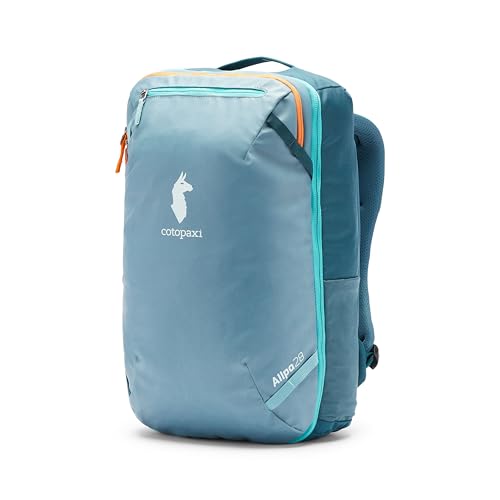
A travel capsule wardrobe is a small group of clothes that work together for your plans. It does not require a particular color palette, aesthetic or number of pieces. The useful test is whether each garment contributes to outfits you actually expect to wear.
Start with occasions, not shopping
List the situations the clothes need to cover: travel days, walking, meals, work, exercise or a special event. Add the expected weather and the interval between laundry opportunities. Use garments you already own where suitable; building a capsule does not inherently require buying travel-branded clothing.
Mark the occasions with strict requirements. Formal clothing, appropriate outdoor protection or a specific activity kit may be less interchangeable. Plan these first, then use the more flexible everyday pieces to fill the remaining needs.
Make a small outfit grid
Write the tops along one side of a page and the bottoms across the other. Mark the combinations you would genuinely wear with the selected shoes and layers. An outfit that is theoretically possible but uncomfortable or inappropriate does not earn a mark.
For a fictional example, three tops and two bottoms provide six possible pairings if every combination works. That is six combinations, not six clean days: laundry, wearing preferences and weather still determine how long the clothes cover. If one top only works with an extra bottom and different shoes, its total baggage cost becomes visible.
Apply the same check to layers. A jacket that fits over the selected warm layer is more useful for changing conditions than two pieces that cannot comfortably be worn together when needed.
Choose the repeated role deliberately
Some overlap is sensible. Extra underwear or a second suitable top can provide the practical rotation you need. The aim is to remove unexplained duplication, not every spare. Decide which garments can be reworn under your normal habits and which need more frequent washing.
Think about care as well as appearance. A garment with demanding cleaning instructions may still belong on the trip, but it needs a workable plan. Do not assume that everything in the capsule can join one wash or dry overnight simply because it was chosen for travel.
Check the packed result
Lay out the completed clothing group beside the non-clothing essentials. Shoes, toiletries and work equipment may require you to reduce the wardrobe or choose a different bag. The outfit grid helps you see which removal loses the fewest useful combinations.
Fold or roll according to the garments and compartment shape, keeping structured items in a suitable position. Avoid compressing presentation-sensitive clothing merely because the rest of the capsule is soft and forgiving.
Pack the layer you will take off during the day as well as the clothes that start in the bag. If the backpack only closes while you wear several bulky pieces, consider whether that arrangement is realistic throughout the route.
Revise the grid after the trip
Note which combinations you actually wore and where a garment failed to earn its space. Keep preferences in the record: you may have packed enough outfits but disliked wearing them repeatedly. A useful capsule supports your style and comfort as well as the bag's dimensions.
Save a version for the same kind of trip. Reusing a decision you have already tested in your own life is more effective than rebuilding the wardrobe from a generic seasonal list every time.