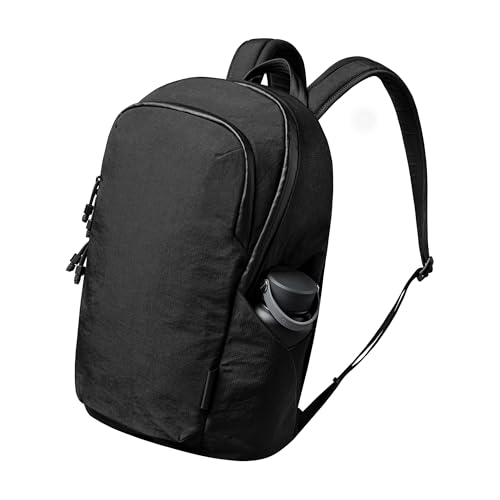
Warm-weather clothes can be compact, but summer travel does not automatically mean a tiny load. More frequent changes, swimming and long days away from the room can alter the packing plan. Build the wardrobe around the activities and laundry opportunities, not just the absence of a winter coat.
Count the changes you actually make
A day of sightseeing followed by a casual meal may use one outfit for some travelers and two for others. Exercise, heat and personal preferences can change that pattern. Estimate your normal needs honestly rather than borrowing a low clothing count that leaves you uncomfortable.
Use compatible tops and bottoms to provide choices without packing unrelated outfits. The number of combinations is not a substitute for clean-clothing availability, so add the wash schedule beside the wardrobe. If you will not have reliable laundry, account for the resulting larger rotation.
Keep a layer for the planned conditions
Consider evenings, indoor environments and the places you will visit as well as daytime weather. Bring appropriate clothing for the itinerary, including any coverage required by a venue or activity. Confirm specific requirements through the relevant official source when they matter to the trip.
Select a layer that works with the other clothes and has a realistic home in the backpack when removed. If every main compartment is full, a layer you stop wearing can become an awkward item in your hands. Leave a little usable space instead of assuming it will stay on your body throughout the journey.
Treat swimming as a packing sequence
Think beyond the swimsuit at departure. You may also need a towel or other equipment depending on what is provided, and the clothing can be damp when it is time to move. Check the accommodation or activity details before adding bulky items that are already available there.
Plan temporary containment for wet pieces and remove them to dry when practical. Do not mix a damp swimsuit into the ordinary dry-laundry bag and assume the whole group remains equally manageable. Keep the relevant pouch easy to find on arrival.
Footwear also deserves a clear role. Bring a second pair when it serves a real need, but inspect how it changes the cavity before committing to additional outfits. Light-looking shoes still occupy a firm outline.
Include the daytime load in the total
A bottle, food, camera or purchases can make the daily kit heavier than the clothing list suggests. If you use a packable daypack, try it with those items and account for where it travels inside the main backpack. A very light foldable bag may be less comfortable with dense contents.
Keep frequently needed objects reachable without opening the clothing section. A small consistent essentials group can simplify moving between the travel bag and a day bag, but it should not grow into another general overflow container.
Schedule laundry with checkout in mind
Wash early enough to allow drying under the actual conditions. Warm weather does not guarantee fast drying in a humid room or an enclosed bathroom. Follow garment-care instructions and the accommodation's rules for washing and hanging clothes.
Before leaving home, pack the complete kit and identify the optional item you would remove if it feels too full. That decision is easier now than at the end of a trip when the bag also contains laundry, a removed layer and something you bought along the way.