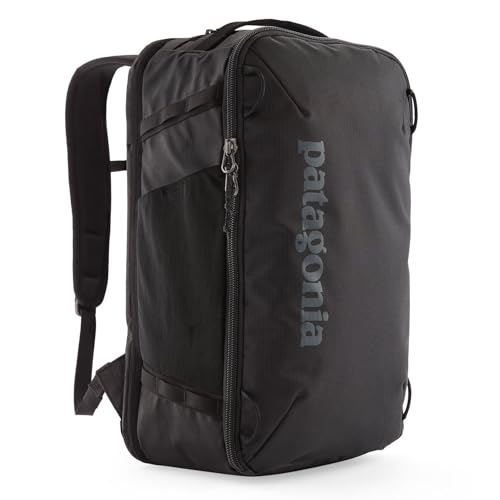
Roll the soft T-shirt if it suits the space. Fold the collared shirt if it needs a flatter home. You do not have to choose one packing technique for the entire backpack. The useful comparison is what each method does to a particular garment and to the space around it.
Soft items can work as small modules
A rolled T-shirt, lightweight base layer or pair of sleep shorts can be easy to move into a narrow gap. Rolling may also make it easier to identify individual garments without lifting a complete stack. The result depends on how tightly you roll and on the shape of the compartment.
Make a reasonably even roll instead of producing a hard cylinder with a bulky seam at one end. If the roll keeps uncoiling, a soft cube may contain it, but that adds fabric and another boundary. Try the garment both loose and contained before deciding that an organizer is necessary.
Structured clothing needs a flatter decision
Collars, plackets and tailored sections can be uncomfortable neighbors for a tight roll. Folding them into a shape that fits a flat area of the bag may be a better compromise. A garment folder or folding board can help maintain a consistent outline, provided the folder fits the backpack.
Avoid placing a dense, rounded object directly on top of a carefully folded shirt. Protecting the arrangement may matter more than the fold itself. Travel clothing can still crease, and no general method guarantees that every fabric will arrive ready to wear. Check care instructions before any steaming, ironing or other treatment at the destination.
Compare the same clothes, not two different loads
To find what works for your bag, lay out the exact clothes you intend to take. Pack them once as folds and once as rolls, keeping the other contents unchanged. Look at access, remaining space and how easily the zipper closes. This is a suggested home comparison, not a claim that we performed a measured test.
Do not judge the result by the neatness of the top layer alone. Rolls can leave gaps between them; a folded stack can create unused space beside a tapered wall. A mixture may make better use of the cavity, with flat pieces together and soft rolls filling less regular areas.
Pack for the way you will unpack
If you move accommodation frequently, retrieving one item without disturbing everything else is valuable. Smaller groups or visible rolls may help. If you will unpack fully into a wardrobe on arrival, a tidy folded stack may be perfectly convenient.
Keep garments that you need immediately near the opening or in a removable module. A technically space-efficient method is of little use when the first evening's outfit sits underneath every other item. Leave enough room that you can reproduce the arrangement on departure without carefully recreating a photograph.
After the trip, note which pieces creased or were difficult to find. Change the technique for those garments rather than replacing the entire packing system. The best method is often a modest mix of folds, rolls and a little unoccupied space.