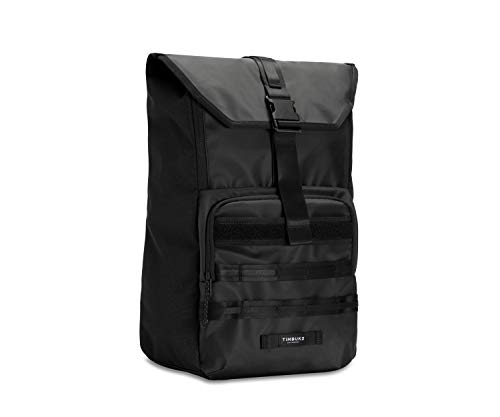
A tightly zipped bag can still be badly packed. The real test begins when a charger is buried during a delay, a toiletry bottle presses into a laptop, or every shirt has to come out to reach one pair of socks. Build the load around the order of the journey, then use the available space.
Write the travel sequence before the packing list
Start with the next five moments when the backpack will open: leaving home, security, the seat, the arrival transfer and the first night. Put each item beside the moment that requires it. This separates transit gear from belongings that can remain untouched until the room, instead of scattering important objects among whatever pockets happen to be empty.
Now divide the list into fixed and flexible demands. Medication, identification, a work computer and event-specific clothing may be fixed. A fourth casual top or a second bulky pair of shoes is usually flexible. Pack the fixed shapes first; they reveal how much wardrobe choice the backpack can actually support.
Use a clothing formula as a ceiling, not a command
The 5-4-3-2-1 packing rule is a capsule-wardrobe method that assigns descending item counts to clothing and accessory categories. Published versions use different categories, which is precisely why the numbers should be a planning prompt rather than a promise that the resulting pile fits your backpack, climate or baggage allowance.
Adapt the count to the trip's bulky items. Three packed pairs of shoes may consume more room than several shirts, while cold-weather layers can overturn a warm-weather formula. Choose pieces that work together, account for what you will wear in transit, and reduce the least useful category when the trial load becomes crowded.
A five-day load, with the assumptions made visible
Consider a five-day city trip in mild weather with one laundry stop, one laptop and no formal event. The traveler wears the larger shoes and outer layer while moving. This is not a universal list; it is a way to see how itinerary and laundry change the contents before the bag is opened.
- Clothing in the bag: four tops, two bottoms, three sets of underwear and socks, and sleepwear; the laundry stop comes after day three.
- Clothing worn in transit: the light layer, another set of underwear and socks, and one of the tops and bottoms already counted for the trip.
- Footwear: one compact pair in the bag; the bulkier pair is worn in transit and is not part of the packed volume.
- Fixed kit: laptop and charger, medication, documents, phone cable and a small toiletry pouch.
- Return plan: one empty pouch or defined compartment for worn clothing, rather than unexplained spare space.
Build three access zones
The immediate zone holds only what may be needed before you reach the seat: identification, phone, wallet, required documents and the small security-ready pouch for the items your route requires you to remove. Pick one closable location and use it consistently. A pocket label is less important than being able to remember and reach the location without opening the clothing area.
The transit zone holds the things you might use while moving: headphones, charger, water bottle, snack and a light layer. The room zone contains clothing, backup toiletries and other items that can wait. This three-zone test is intentionally short; if every object is promoted to immediate access, the easy pocket becomes another jumble.
For a clamshell bag, protect the hinge and zipper path
Lay a clamshell flat and decide which half stays stable when it opens. Fit clothing or soft cubes inside the rectangular footprint without rounding both halves into domes. A zipper that must pull two bulging surfaces together is carrying compression work that the packing arrangement should have handled.
Keep small loose objects out of the hinge and clear of inward-facing mesh zippers. If the computer compartment sits against the back panel, load it before finalizing the clothing depth. The device, case and charger have fixed shapes; rolled fabric can move around them more easily than they can move around a packed wardrobe.
For a top loader, pack by retrieval time
Place items that will stay packed until evening deeper in the main cavity, then build upward toward the pieces needed sooner. Two narrow modules can be easier to lift through a small opening than one wide cube, although extra organizers also add fabric and may leave unusable gaps.
Do one retrieval test before tightening compression straps: remove the rain layer or transit pouch, then put it back without unloading the bag. If the sequence collapses, revise the layers now. A tidy overhead photograph matters less than being able to use the backpack in a station or narrow hotel corridor.
Lock dense objects near the back panel
Keep dense items reasonably close to the back panel and prevent them from sliding, while following the bag maker's intended compartments. REI's loading guidance explains the center-of-gravity reason for carrying heavier gear near the back. For travel, the practical examples are a laptop, compact charger or solid toiletry container rather than the equipment in a hiking pack.
Separate hard edges and liquids from an unprotected screen. Shoes are a shape problem as well as a cleanliness problem: try them together near the base, or split them along the sides if that creates a steadier load. Cover the soles and reassess the balance with any exterior bottle pocket filled.
Run the gate-to-room rehearsal
Close the backpack without sitting on it, load the exterior pockets and measure the resulting depth. Compare those packed dimensions with the allowance attached to the exact fare and operating carrier; liters cannot establish whether a bag fits a sizer. Then weigh the complete load instead of estimating from an empty-bag specification.
Walk with the backpack, sit down with it briefly if practical, and retrieve the transit pouch, computer and clothing layer. When you return, write down what remained unused and what was repeatedly hard to reach. That evidence should shape the next trip before another organizer or a larger backpack enters the cart.
- Can the first-needed pouch come out without exposing the whole wardrobe?
- Do the laptop and charger sit without a bottle or shoe pressing into them?
- Does the packed, pocket-loaded bag meet the relevant external size and weight limits?
- Can worn clothing return without taking over the clean-clothing area?