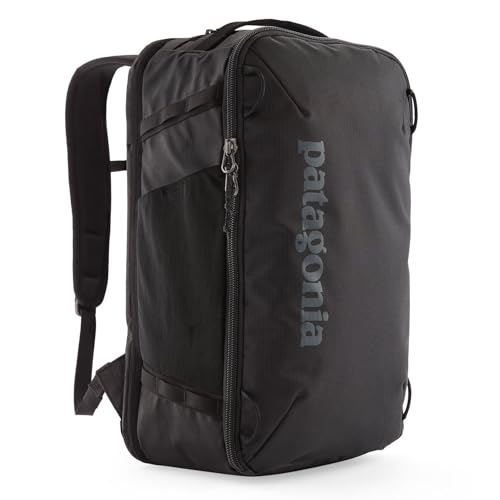
The safest backpack-cleaning method is not a universal recipe. It is the method printed for the exact model, material and generation in front of you. Two packs from the same brand can require opposite treatment: Patagonia currently permits a warm machine wash for its Black Hole Mini MLC 30L style 49266, while its Refugio Daypack 26L style 47914 is hand-wash and drip-dry only.
Start by matching the model number and care label, then choose the least disruptive process that solves the actual problem. Loose grit, one surface mark and a drink spill inside a padded compartment are different jobs. The steps below keep the machine-washing, spot-cleaning, coating-care and storage questions on their own detailed pages while giving you a safe route through the whole decision.
| Backpack | Documented baseline | Tradeoff to verify | Choose it when |
|---|---|---|---|
| Patagonia Black Hole Mini MLC 30L | Current style 49266 uses a recycled-polyester ripstop shell with a recycled TPU-film laminate. Patagonia's current care line permits machine washing warm and tumble drying low. | Do not transfer that instruction to an older Mini MLC generation or another Black Hole bag. Confirm style 49266 on the label before using the current reference. | Your label matches style 49266 and the complete care symbols, including the drying instruction, are readable. |
| Patagonia Refugio Daypack 26L | Current style 47914 uses a recycled-polyester body with a PU coating and a DWR finish. Its care line says hand wash, drip dry, no bleach, no iron and no dry clean. | The fabric family does not make the Mini MLC machine-wash rule portable. The current Refugio's own label is the controlling evidence. | Your pack is the current 26-liter style 47914 and you can give its padding and pockets time to drip dry fully. |
| Osprey Farpoint 40 | Osprey's current general pack-care guide uses mild soapy warm water with a sponge or soft brush, a thorough rinse and ventilated drying away from direct sun. It advises against machine washing. | This is general Osprey pack guidance, not permission to immerse every Osprey product. High Road wheeled chassis and named product families have separate exceptions. | The exact Farpoint label does not state a different method and removable parts are handled according to their own instructions. |
Identify the exact pack before adding water
Empty every pocket and remove a hydration reservoir, power bank, cable, tracker and loose organizer. Photograph any detachable harness, hipbelt or strap routing before removal, and take off only the parts the manual describes as removable. A rigid frame, wheeled chassis, leather handle, glued foam or integrated USB cable can change what may be soaked, scrubbed or heated.
Find the sewn care label, model or style number and the current manufacturer's instructions. Match all three when possible. A product-family name is not enough: the two Patagonia examples above share a brand and recycled synthetic fabrics, yet their approved wash methods differ. If the label and web page conflict, pause and ask the maker which instruction controls your generation.
Begin with the smallest cleaning job that works
Shake or gently vacuum loose grit using a method that cannot snag lining or mesh. If only one mark remains, follow the permitted spot-cleaning method rather than wetting the whole bag. The separate spot-cleaning guide covers isolated stains; the machine-washing guide answers the narrower question of when a washer is actually allowed.
Use the cleaner, water temperature and tool named by the manufacturer. More detergent does not create more cleaning power inside thick padding; it creates more residue to remove. Do not add bleach, solvent, disinfectant, vinegar, waterproofing spray or a household stain recipe unless the exact care source permits it for that surface.
Keep an interior spill separate from exterior dirt. Remove the contents, blot or contain the liquid as the material allows, and inspect neighboring pockets. An outer fabric described as weather resistant does not protect electronics from liquid already inside the bag.
Treat machine wash, hand wash and spot clean as different permissions
When the exact label permits a machine wash, follow its temperature, cycle, closure and drying instructions as one complete method. A laundry bag or gentle cycle does not create permission where the label says hand wash or spot clean. Conversely, a blanket rule that no backpack may ever enter a washer is also inaccurate for the current Mini MLC 30L reference.
For a hand-cleaned pack, support its structure rather than twisting or wringing it. Osprey's current guidance calls for a sponge or soft brush, mild soapy warm water and a thorough rinse for the packs covered by that guide. It specifically says not to immerse travel packs with a High Road wheeled chassis, showing why hardware changes the method even within one brand.
Cotopaxi's current pack-and-bag guidance offers another boundary: it says not to machine wash packs and directs owners to spot or hand clean with cold water and mild soap. That category rule is useful for a Cotopaxi pack, but it does not establish the shell material or cleaning permission for every Allpa generation.
Do not turn a weather finish into a wash instruction
A TPU film, PU coating or durable water-repellent finish describes part of the construction. It does not by itself tell you whether the completed backpack can be submerged, machine washed or tumble dried. Seams, zippers, foam, adhesives and trims still need their own care limits. Follow the exact label rather than borrowing a routine from clothing made with a similarly named fiber.
Cleaning also does not make a backpack waterproof. If water no longer beads or a coating appears sticky, cracked or separated, document the condition and ask the maker whether inspection, repair or a named treatment is appropriate. Do not automatically add a spray: the surface-treatment guide explains why improved beading is not a new whole-bag rating.
Dry the slowest part before loading or storage
Remove soap as directed, then position permitted openings so air reaches the lining, foam and folded corners. Obey any restriction on direct sun, heat or tumble drying. A dry shell can conceal damp shoulder straps or a wet laptop compartment, so judge the slowest component rather than the first surface that feels ready.
Operate zippers and buckles gently after the bag is fully dry, reattach components using the photos or manual and inspect for coating changes, distorted padding or trapped residue. If anything functional changed, stop before packing valuables. Store only a fully dry bag, and keep the model-specific care link with the purchase record for the next cleaning session.