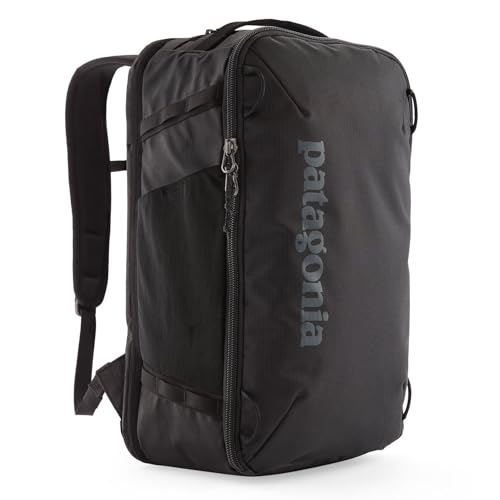
Store a travel backpack empty, clean enough for the materials involved and completely dry. Then organize it so you can find its rain cover, straps and instructions when the next trip arrives. The best storage method is one you can maintain without folding a structured bag into a shape it was not designed to hold.
Give every pocket a final check
Open the main compartment, bottle holders, security pockets and any hidden bottom section. Take out food, used clothing, travel documents, electronics and toiletry containers. Check the narrow spaces around laptop sleeves and internal dividers. A bag can look empty while still holding a leaking pen or a snack wrapper.
REI's care guidance recommends emptying pockets and removing loose dirt; it also notes that food remains can attract animals. Use the manufacturer's instructions to decide whether the bag needs a light wipe or more substantial cleaning. Storage is not a reason to wash every bag after every short trip.
Finish drying before putting it away
An outer panel may feel dry while padded straps or a folded base remain damp. Open the compartments and let air reach those areas. REI recommends drying packs in shade or indoors and avoiding tumble dryers; follow any more specific directions for your bag's materials.
Choose a dry indoor storage position out of direct sun. Do not immediately seal a recently cleaned backpack inside a plastic bin. If you use a dust cover, put it on only after the bag is dry. A closet is useful because you can inspect the bag without digging through seasonal equipment.
Match the shelf arrangement to the structure
A shelf lets a backpack rest in its natural shape without hanging a load from a small attachment point. Support the base and avoid stacking heavy suitcases on top of curved frames, padded panels or protruding hardware. A soft unframed bag may lie flat; a rigid framed pack usually needs space that accommodates its structure.
Nesting bags can save room, provided both are dry and the inner bag does not stretch the outer one. Leave the outer bag easy to open. Store bulky removable accessories beside it if placing them inside would force the shape. Treat folding as a feature to verify, not something every fabric bag is designed to tolerate.
Keep the system together
Put removable buckles, accessory straps and the correct rain cover in a small labeled pouch. Include a note identifying the backpack model if several bags share a shelf. Hardware that looks similar is not necessarily interchangeable, and a loose strap is much easier to identify while you still remember where it came from.
Record a pending repair before storage. A zipper that catches or a buckle that has cracked is unlikely to be easier to address the evening before departure. Keep a photo of the model label and purchase record somewhere accessible if you may need the maker's service instructions.
Make the next departure a short inspection
Before repacking, inspect the compartments, zippers, buckles and harness. Look for new smells, residue, coating changes or damaged stitching. Ask the manufacturer about unfamiliar deterioration instead of treating every sticky or peeling surface with a household cleaner.
For a collection of backpacks, give each bag a purpose: daily use, short trips or a particular equipment load. Put the frequently used one where it can be reached without disturbing the others. If two bags do the same job and one is never used, deciding whether to keep both can solve a storage problem more effectively than buying another organizer.