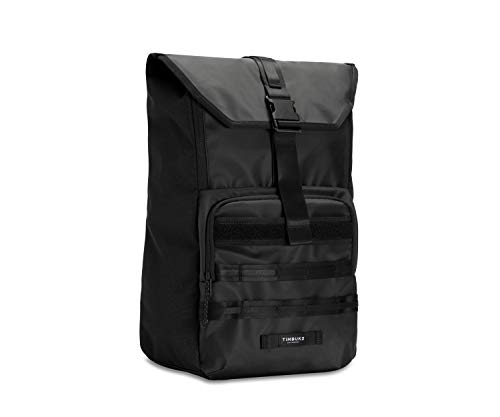
A spray may help restore surface water repellency on a compatible backpack. It does not turn every seam, zipper and opening into a watertight enclosure. Before applying anything, distinguish a surface that no longer sheds droplets from a bag whose construction allows water inside.
Beading and leakage are different observations
If droplets spread into the outer textile, you are observing its surface behavior. If moisture reaches a compartment through an opening or seam, you have a different question. A surface treatment should not be expected to redesign that opening.
TOM BIHN's material guidance distinguishes exterior water-repellent treatment from interior coatings and notes that its sewn bags are not submersible. That is a useful illustration of the separate layers involved. Apply the lesson to reading specifications, not as a universal treatment instruction for other brands.
Ask whether the product is compatible
Find the backpack's care label and current manufacturer guidance. Identify its fabric, coating and any leather, laminate or contrasting trim. Then read the treatment label for the intended materials and application method. Agreement between those sources matters more than a generic recommendation for outdoor gear.
If compatibility remains unclear, ask the bag maker before testing a conspicuous panel. A treatment can affect appearance or performance in ways a quick surface check will not resolve. Avoid mixing products or using an improvised recipe simply because the ingredients are available.
A hidden-area test, when recommended by the maker, is a screening step rather than a guarantee. Follow the specified preparation, application and drying directions. Do not borrow heat-setting instructions from an unrelated garment.
Inspect the bag before trying to restore it
Look for peeling interior coatings, damaged seams, worn closure parts or obvious holes. Document the condition and ask whether repair is appropriate. Spraying the outside does not establish that those defects are corrected.
Clean only as directed before treatment. Dirt, residues and previous products can complicate the decision, so tell the manufacturer what has already been applied. If you have a trip the next morning, do not begin a process whose drying or curing requirements you cannot meet.
Judge the result within the original limits
After the recommended drying period, follow any manufacturer checking procedure without valuable contents inside. Improved beading is evidence about surface behavior, not a newly earned waterproof rating. Keep the bag's original exposure limits and closure instructions in mind.
If your travel needs now exceed what the bag was designed for, consider a suitable cover, internal protection or a different backpack. Repeated treatment is not always the right answer to a mismatch in intended use.
The useful outcome is a maintained bag whose limitations you understand. Buy a spray for a documented maintenance task, not as a shortcut around missing construction evidence or a promise that all your electronics are now protected.
Keep a note of the treatment name and application date. If the surface changes later, that record gives customer support useful context and helps you avoid layering another product over an unidentified previous treatment.