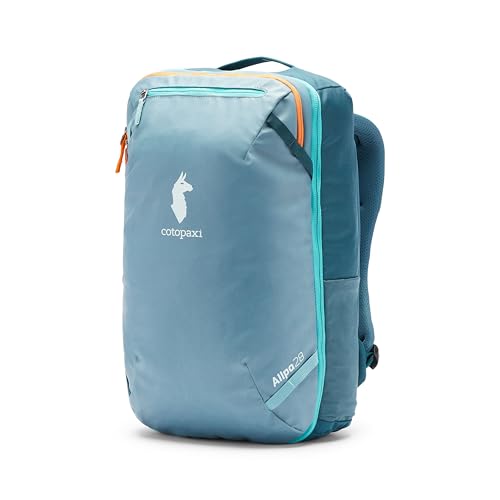
A weekend backpack is a bag-selection decision, not another packing-list page. Build the actual two-night load first, using the separate three-day checklist when you need item counts, then judge which layout keeps the rigid and frequently used objects accessible without buying reserve space for every possible trip.
Begin with the dedicated three-day list
For a mild casual weekend with no laundry, the separate three-day owner distinguishes the outfit worn in transit from the two underwear and sock changes, two tops, sleepwear, layer, toiletries and charger packed inside. Use that list—or your own itinerary-specific version—as the trial load. This page starts after the contents are defined.
Add a laptop or formal footwear only when the weekend requires it. Either can change the useful layout more than the second night: the computer needs a correctly sized protected path, while shoes create a rigid shape that competes with the clothing area.
Small does not have to mean cramped
A compact bag can be pleasant to handle if its opening allows you to use the available space. Inspect the main compartment's shape and the thickness of internal divisions. A backpack with many narrow sections may be less accommodating than one with a simpler clothing area.
Leave enough room to repack normally. A bag that closes only after carefully rolling every item may be frustrating on Sunday morning. The return load can include loosely packed laundry, a damp item isolated for transfer or something bought during the weekend.
Decide how much access the journey needs
On a short car trip, you may not touch the contents until arrival. On a train journey, you might want headphones, a book and a light layer. Those differences should affect the pocket layout more than whether the bag has the word weekender in its name.
A broad main opening helps at the destination, while a reachable transit pocket handles the trip itself. Avoid making the same pocket responsible for everything. If removing a snack releases your toiletries into view, the layout deserves another look.
Expansion is an option, not a requirement
An expandable design may let one backpack cover everyday use and short trips. Thule's current Aion 28L, for example, has a manufacturer-documented 28-to-32-liter expansion. The advantage depends on whether both configurations are useful to you; the expanded packed outline still needs a separate transport and airline check.
Compare that option with a fixed-size backpack that holds the typical load comfortably. The fixed design might be simpler to pack and lighter to manage. The expandable one may be more flexible if the contents vary substantially from trip to trip.
Make the trial fail for one clear reason
Pack the likely weekend load into your current bag and record the first failure: closure, access, laptop protection, footwear placement, return-load margin or carrying comfort. Search for a design that corrects that failure without adding another. This produces a more focused shortlist than browsing every bag labeled for weekend travel.
Use the packing planner to total the measured load, then check the selected size, version and seller evidence on Amazon. A larger bag is justified when it solves a recurring documented need—not merely because unused capacity is available.