A three-day backpack list becomes useful only when it says what is worn, what is packed and what assumptions make the count work. The example below covers a mild-weather, casual two-night trip with no laundry, no formal event and one pair of bulky shoes worn in transit. Change the list when the weather, activity or personal requirements change; do not enlarge the bag first.
Start with the two-night assumptions
Write the itinerary before the checklist. This example assumes travel on day one, an ordinary day out on day two and a return on day three. It does not cover a wedding, a workout, cold-weather insulation or equipment-heavy work. Naming those boundaries prevents a compact list from masquerading as a universal prescription.
Wear one complete outfit and the bulkier everyday shoes in transit when that is comfortable and appropriate. Also wear or carry the outer layer the forecast requires. The worn outfit is part of the trip plan, but it is not part of the backpack's starting clothing load.
An illustrative packed list for three days
The quantities are an example, not a hygiene rule. Pack additional base layers when heat, exercise or your normal routine requires them. Keep medication, health supplies and required documents even when they make the load heavier; the edited list should remove optional duplication, not essential items.
- Two underwear changes and two sock changes, in addition to the set worn on day one.
- Two tops that work with the worn bottom; add one spare bottom only if weather, mess risk or a named activity justifies it.
- Sleepwear and a weather-appropriate layer that can be used with every daytime combination.
- A small toiletries kit, required medication and personal supplies, with identifying information retained where needed.
- Phone charger, required documents, glasses or contacts, and any activity-specific item already identified on the itinerary.
- A light bag or pouch for used clothing, plus a little free space for the layer removed in transit.
Make each optional item replace a decision
A formal event can justify a dedicated outfit or footwear. Rain can justify a shell or compact umbrella. Work can justify a laptop and charger. Add the item for the named job, then reconsider something else that served the casual version of the trip rather than stacking every scenario into the same bag.
A second pair of shoes has a rigid outline that can consume more usable space than several soft garments. Pack it only for a different job, cover the soles and keep it away from electronics. If both pairs are similarly useful, choose one before departure instead of carrying the indecision.
Pack for the return, not just departure
The outbound load is folded and clean; the return load may include used clothing, an item that is not fully dry or something bought during the weekend. Repack the example without careful compression and check that the zipper still closes normally. A bag that works only after an exact folding ritual has no margin for the return journey.
Keep damp items separate only for the transfer and remove them to dry at the next appropriate opportunity. Follow garment care labels rather than assuming every fabric can be sink-washed, tumble-dried or sealed in the same laundry pouch.
Run one weight-and-access dry run
Load the toiletries, charger and other dense objects as well as the clothes. Weigh the complete backpack, walk indoors, use stairs and retrieve the item you will need first. The result is more informative than assigning a liter count to three days, because footwear, electronics and insulated layers change both bulk and carrying feel.
In the packing planner, set the trip to three days, the laundry interval to at least three days and Extra outfit sets to 0 to model this three-set, no-wash example. Then replace every sample weight—including “Clothes & shoes”—with the measured weight of this actual load. The rotation prompt and the weight total are separate calculations.
Compare compact bags only after the list fits
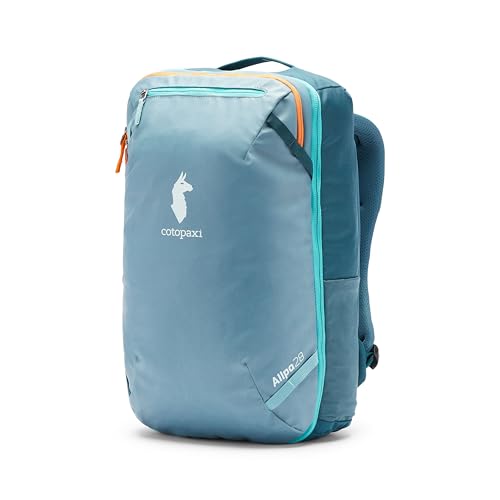
The manager-verified Cotopaxi Allpa 28L and Bellroy Lite Travel Pack 30L are two compact formats, not promises that a weekend requires 28 or 30 liters. The Allpa record suits a deliberately edited load; the Bellroy listing emphasizes internal packing cells, a laptop pocket and tuck-away straps. Choose around the contents and access pattern rather than the extra two liters.
Match the exact Amazon product and generation before buying. The linked Cotopaxi record is a specific Allpa 28L configuration, while the Bellroy record is the 30L Lite Travel Pack. Family pages and similarly named sizes can describe different layouts.