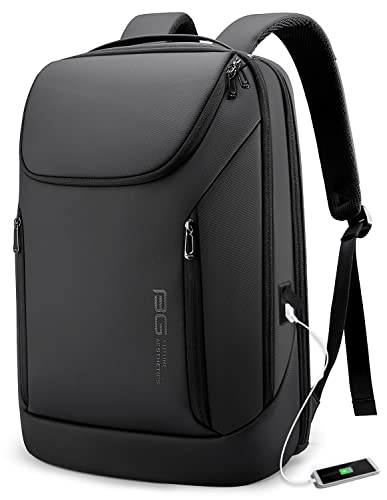
A dress shirt does not become easy to pack just because the backpack has enough liters. The collar and folded panels need a place where shoes, chargers and compressed clothing will not press unevenly against them. Start by reserving that place, then fit the rest of the load around it.
Decide how presentation-sensitive the trip is
A casual dinner shirt allows a different margin from clothing needed immediately for an important meeting. Consider whether you can unpack ahead of the event and whether appropriate garment-care equipment is available. If the shirt must emerge ready to wear, recognize that soft luggage carries some uncertainty.
A backpack may still be suitable, especially with a broad opening and a flat area for the garment. If several structured outfits are central to the trip, a suitcase or garment-oriented bag could be a more practical choice. The decision should follow the clothing requirements, not a commitment to traveling with one backpack.
Create a fold that belongs in the bag
Fold the clean, fully dry shirt to a footprint that the compartment can accommodate without bending its edges. Smooth major bunching as you go, and avoid crushing the collar into a tight roll. Different shirt constructions respond differently, so treat any folding sequence as something to adjust to the garment.
A folding board or garment folder can provide a repeatable shape. Eagle Creek's garment-folder design, for example, uses a folding board and an adjustable closure. Those are product features, not proof that your shirt will arrive without wrinkles. Confirm the exact folder's measurements before pairing it with a backpack.
Do not buy a folder from the shirt count on its label alone. Garment size and thickness affect the resulting stack, and the backpack's opening can be smaller than its main cavity. A folder that technically fits inside but cannot be removed conveniently is an awkward solution.
Give the shirt a protected flat zone
Place the folded garment where it can remain reasonably flat, away from hard protrusions. A clamshell compartment may make this easier to see. Avoid tightening internal compression so much that it creates ridges across the clothing or forces it against a shoe heel.
Keep toiletries contained and separated. A leaked product creates a different problem from ordinary travel creasing, and a garment folder is not automatically a liquid barrier. Do not treat a laptop as a substitute for a protective packing board or wedge the shirt tightly against electronics.
Unpack with time to respond
Remove the shirt when you reach the accommodation rather than leaving it under the rest of the bag until minutes before use. Hang it appropriately and inspect it. Follow its care label for any further treatment; heat and moisture are not suitable for every fabric or finish.
If you find repeated pressure marks, change where the garment sits on the next trip. If the fold is the problem, adjust that separately. Keep a note of the shirt, folder and bag combination that works for you. Specific feedback from your own clothing is more dependable than a promise that one universal folding trick eliminates travel wrinkles.