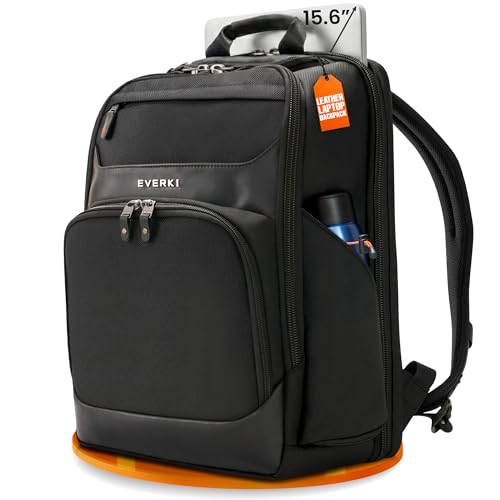
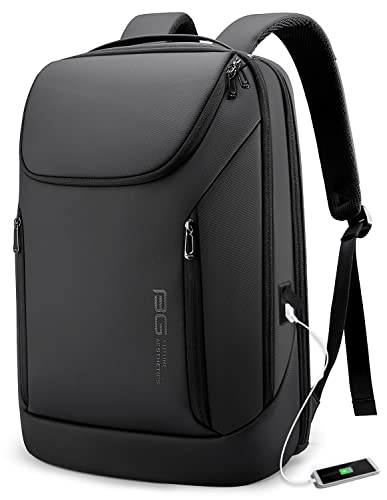
Begin with the meeting outfit, not the backpack. Its dress requirements determine how much freedom you have to repeat pieces, pack softer clothing or leave a second pair of shoes behind. A business trip can work in one bag, but only if the clothes and equipment receive the space they need.
Identify the presentation deadline
Will you have time to reach the accommodation and unpack before work, or are you traveling directly to the meeting? The second case leaves less room to respond to creasing, a spill or a missing accessory. Plan the relevant outfit as a complete group and check it before departure.
If several structured outfits must arrive in a particular condition, a suitcase or garment-oriented bag may be more suitable. A clamshell travel backpack can offer a flat packing area, but it does not guarantee the same behavior as rigid luggage while you carry it.
Make a small wardrobe with a clear dress level
Choose pieces you would confidently wear together at the required level of formality. A spare shirt that works with the same trousers and shoes may be more useful than an unrelated second outfit. Keep the casual clothing compatible where possible without forcing it into a role it does not suit.
Consider the whole outfit's dependencies: belt, suitable socks, underlayers or accessories. A minimalist list that omits one necessary component can create more inconvenience than the small saving in space. Keep a buffer appropriate to the importance and timing of the event.
If you also exercise or attend a separate formal occasion, treat that as a distinct requirement. Combining business and leisure in one bag requires accounting for both, not labeling every extra item unnecessary.
Reserve a flat garment area
Fold presentation-sensitive pieces to suit a protected part of the main cavity. A garment folder can help maintain a repeatable shape, but confirm the exact dimensions and opening fit. Manufacturer wrinkle claims should be read as claims, not a guarantee for your fabric and packing conditions.
Keep shoes, dense chargers and liquid toiletries from pressing directly against the folded clothing. Avoid tightening compression over collars or structured sections. The location of the garment can matter as much as how carefully you fold it.
Remove and inspect the outfit at the accommodation when time allows. Follow its care label for any treatment; steam or heat is not appropriate for every material.
Leave the working equipment independently accessible
A laptop compartment is useful when you can reach the computer without disturbing the clothes. Check the device's actual dimensions, including any case, against the sleeve. Make room for the charger and necessary cables without creating hard pressure points on the screen area.
Create a small desk kit if several accessories need to move together at the destination. Do not add an oversized organizer simply because it matches the backpack. Use the space that the actual equipment needs.
Perform the morning sequence once
With the bag packed, retrieve the work device, the relevant documents and the outfit in the order you expect to need them. Notice whether one step exposes or dislodges the rest of the load. Move the problem item or reconsider the compartment arrangement.
Then carry the complete bag. A meeting-ready wardrobe is only part of a successful trip if transporting it is uncomfortable. Choose the luggage arrangement that lets you arrive with manageable equipment and appropriate clothes, even when that means more than one bag.