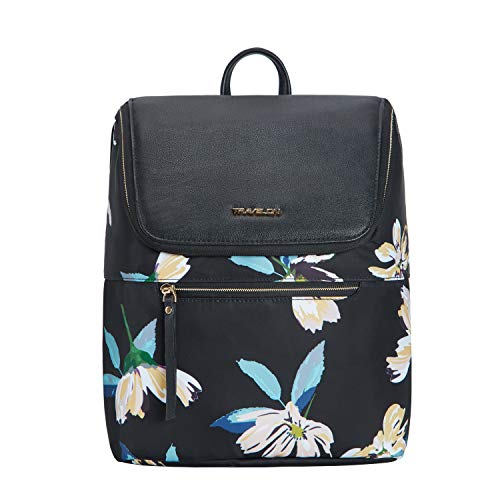
Nylon versus polyester is a useful starting question, but a poor final verdict. Two bags made from the same fiber can differ substantially in structure and finish. Compare the actual fabric descriptions before treating either material as the durable or lightweight choice.
Why the fiber name is not the whole answer
A listing might say only polyester, while another specifies a woven nylon with a particular coating. That is an information imbalance, not proof that the nylon is better. You need comparable descriptions to make a meaningful judgment.
For example, X-Pac's RX30 specification describes a polyester-based laminate with several identified layers. That construction is a more useful fact than reducing it to the same one-word category as an unspecified polyester textile. The example illustrates how broad the category can be; it is not a recommendation for every RX30 backpack.
Compare the questions you can actually answer
What does each finished bag weigh? Does the fabric give the bag a shape you like? What protection does the manufacturer claim for the completed product? Can you find care instructions and clear descriptions of the base and shoulder anchors? These questions connect material to use.
Denier figures can help describe yarns, but do not turn a larger number into an automatic durability score across different constructions. If a brand publishes testing, check the method and whether the other candidate was tested in a comparable way. Unmatched numbers can create a false sense of precision.
Also separate appearance from performance. A smooth or textured finish may affect how you feel about using the bag at work, but an attractive texture does not establish tear strength. Choose visual preferences openly rather than presenting them as engineering conclusions.
Water claims need a separate comparison
Neither the word nylon nor the word polyester tells you whether a completed backpack will keep its contents dry. Look at coatings, seams, zipper design and closure instructions. A surface that sheds droplets and a bag rated for a specified exposure are different claims.
If the main concern is an occasional rainy transfer, you may compare a suitable cover or internal protection alongside the bags. If your intended use involves water exposure beyond ordinary travel, seek explicit whole-product documentation. Do not infer it from fiber identity.
How to make the purchase decision
Keep both materials in the shortlist until a concrete feature rules one candidate out. Verify laptop accommodation, loaded fit and compartment access first. Then weigh the fabric's documented characteristics against price, care and the way you expect to handle the bag.
A well-explained polyester design can be a better match than a poorly specified nylon alternative, and the reverse can also be true. The practical winner is the bag whose construction supports your trip, not the material whose name appears most often in premium marketing.
Keep color variations in mind when reading the specification. If the manufacturer lists a different fabric for a special edition, compare that edition directly rather than carrying over the standard model's material description.