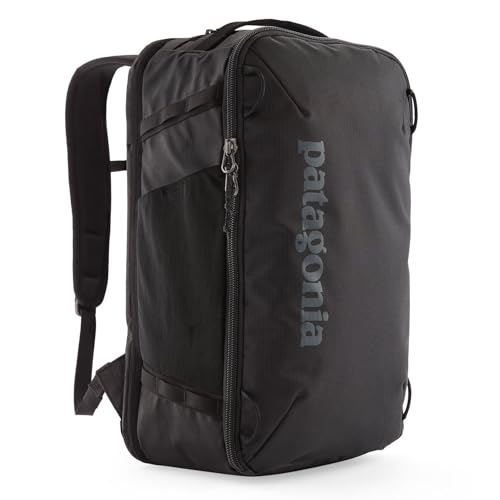
Start by separating two questions: whether the backpack fits your baggage allowance and whether each object inside can travel where you plan to put it. A compliant bag can still contain an item that needs different packing or is not permitted.
Make a contents list by function
Group belongings into clothing, toiletries, electronics, food and specialized equipment. Most packing uncertainty comes from the last few groups, so review them before compressing everything into the backpack. It is easier to change a plan while the items are still on the table.
For unusual objects, use the security authority’s item search and the operating airline’s restrictions. Search for the object’s actual function rather than the marketing name of the kit it came in. A multitool is not simply a travel accessory for screening purposes.
Put batteries on a separate checklist
Identify power banks, spare batteries and devices with batteries installed. These are not interchangeable categories. FAA guidance requires spare lithium batteries in the cabin and explains conditions for devices that may be checked.
Keep relevant labels readable and check the airline’s policy for your equipment. If a carry-on might be checked at the gate, make the items that must remain with you easy to remove. A battery hidden behind a tightly packed clothing section creates an avoidable last-minute problem.
Review the toiletry pouch as containers
Liquid restrictions can apply to the size of the container, not just how much remains inside. A large bottle with a small amount left is therefore not a reliable substitute for an appropriately sized travel container.
Delta’s official guidance summarizes the familiar small-container and single clear quart-size bag arrangement for ordinary liquids at US screening. Exceptions and international procedures deserve their own current checks. Do not assume two backpacks give one traveler twice the ordinary liquid allowance.
Separate security from destination restrictions
An item being allowed through a checkpoint does not necessarily settle customs or destination requirements. Food and specialized equipment can raise different questions on arrival. Check the relevant official guidance for the destination if your packing includes something beyond ordinary personal belongings.
Avoid building a universal yes/no list from anecdotes about another traveler’s experience. A previous uneventful trip may have involved a different object, airport or set of instructions. Treat uncertain cases as questions to resolve before departure.
Arrange the bag for inspection and use
Keep categories together so you can find an item if staff ask about it. A compact electronics pouch and a reachable toiletry bag can reduce the need to unpack clothes. Do not overfill the compartments that must open during screening.
Then identify the belongings you need after boarding: documents, medication, glasses, headphones or an arrival charger. Keep them accessible without making extra loose pieces beyond your allowance.
When shopping for a backpack, prioritize a layout that supports this separation. Clear access and suitable protection are useful features; broad claims that a bag is approved for flying do not answer the contents question. The rules attach to the objects and journey, not to a badge on the fabric.