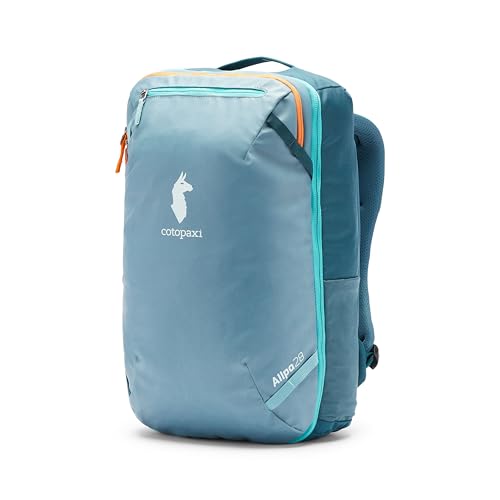
A checklist should catch an omitted charger, not persuade you to pack equipment you never needed. Use the categories below as prompts, deleting anything irrelevant and adding the items your own routine depends on. Decide where each group belongs before you start filling pockets.
Begin with the things that cannot be improvised
List the documents, personal supplies and equipment that are genuinely essential to your journey. Keep identification, tickets or booking information available in an appropriate form, with a backup where useful. Check requirements through the responsible official sources; a general packing checklist cannot determine which documents your trip needs.
Keep specialized personal items on your own list even when they are absent from somebody else's minimalist example. Follow the relevant instructions for their storage and transport. Packing smaller should remove optional duplication, not erase something you depend on.
- Travel documents and booking details appropriate to the itinerary.
- Payment methods and important contact information.
- Prescription or other essential personal supplies, with necessary identifying information.
- Glasses, hearing equipment or other daily-use items relevant to you.
Build the ordinary daily kit
Count clothing for the interval between reliable laundry opportunities. Include what you will wear during the journey so it does not accidentally appear as a packed duplicate. Choose any extra footwear for a specific activity, then check whether the clothing combinations actually work with it.
For toiletries, follow your normal morning and evening routines on paper. This catches items you use automatically at home. Decide which products the accommodation provides, which you can comfortably refill and which should travel with you.
- Tops, bottoms, underwear and socks matched to your planned rotation.
- Sleepwear, an appropriate outer layer and any activity-specific clothing.
- Toothbrush and your selected toiletries in suitable containers.
- A simple plan for worn clothing and any temporary damp items.
Treat electronics as a connected set
List the devices you need and place their chargers or power supplies next to them. One compact charger is only a replacement for several others if its connectors and capabilities suit the devices; check the manufacturers' specifications. Avoid adding unfamiliar electrical accessories merely to make the checklist shorter.
Remember the less obvious parts: a necessary cable, storage card, adapter or protective case. Separate delicate equipment from leaking containers and hard pressure points. When flying, consult the applicable current rules for batteries and electronics through the carrier and relevant authority.
The last ten minutes
Check the places your belongings occupy while you get ready: bathroom counter, wall outlets, bedside surface and the shoes by the door. Add the layer you will remove later, a bottle if wanted and anything purchased for the journey. Those late additions are part of the load, not free space.
Close and weigh the bag when it is genuinely complete. If you will fly, compare its packed measurements and weight with the rules for your itinerary. Save your edited checklist after the trip and mark unused optional items. Over several journeys it becomes an inventory based on your behavior rather than a growing collection of suggestions.