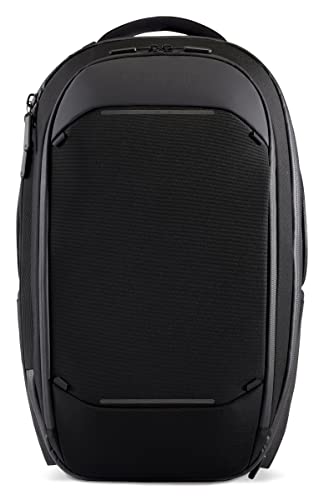
A lighter backpack leaves more of the carried weight available for your belongings. That is a real advantage, especially with a strict baggage allowance. But the empty weight is only one line in the decision: the heavier bag may include structure, protection or a harness that serves the load you cannot leave behind.
Compare like configurations
Check whether the published weight includes removable straps, a rain cover, a detachable daypack or other accessories. Similar-looking specifications may describe different configurations. Use the exact model and generation rather than borrowing a figure from another capacity in the same family.
If the manufacturer does not make the basis clear, mark the comparison uncertain. Do not remove a structural component simply to reproduce a lighter advertised figure unless the bag is designed to operate that way and the instructions permit it.
Count any protection you need to add. A very simple backpack plus a padded laptop case, electronics organizer and other inserts may have a different total from the bare shell's attractive number. Compare the complete arrangement you intend to carry.
What the extra material may do
A frame, substantial back panel or load-bearing hipbelt can support a particular carrying design. Padding may protect equipment or make contact points more comfortable. Extra pockets, heavy hardware and complex conversion systems can also contribute weight, even when you do not use them.
None of those features guarantees a better experience on its own. A supportive harness that does not fit you may be less useful than a simpler design that does. Look at the manufacturer's fit information and try a realistic load rather than giving automatic credit to a longer feature list.
For a clothing-only weekend with short transfers, you may have little reason to carry a large electronics section. For a work trip with a computer and long periods on foot, appropriate protection and support deserve more attention.
Put the weight difference in context
Consider a fictional comparison between a 900-gram bag and a 1,400-gram bag. The difference is 500 grams, regardless of how much clothing you pack. Decide whether the heavier design provides a feature you will use enough to carry that additional half kilogram. These are illustrative weights, not specifications for a product.
Then inspect the contents. A duplicate device or unused pair of shoes could be a larger and less expensive opportunity to reduce weight. Replacing the backpack while leaving unnecessary contents untouched may solve the wrong problem.
Select for the trip you repeat
Think about your ordinary travel pattern rather than the most extreme trip you can imagine. A light bag may be a good choice when the load is modest, the packing is simple and the fit works. A heavier model may be worthwhile when its structure or protection makes your normal load easier to manage.
Read the current dimensions, construction details and warranty terms for the exact item before purchase. A warranty describes a service commitment, not a measured durability score. Avoid translating fabric thickness or weight into a promised lifespan.
Finally, carry the fully packed choice under the conditions you can reasonably simulate. The goal is an acceptable total load with the support and access you need. The lightest empty bag wins only when the rest of that arrangement works as well.