A laundry kit for a laundromat can be almost empty. A kit for washing selected clothes in a room needs more thought about detergent, rinsing and drying. Choose the method first so you do not carry several accessories for facilities you will never use.
If you plan to use machines
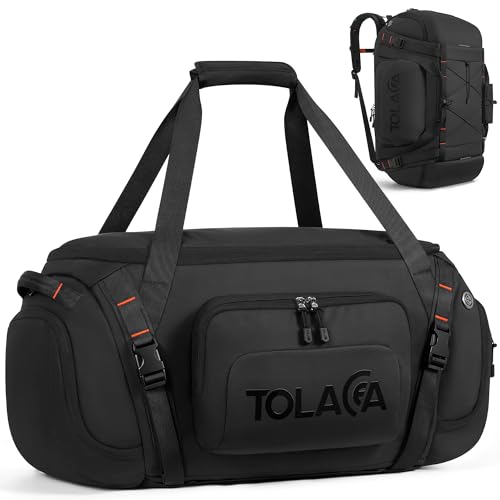
Check how the location handles detergent and payment. Some facilities sell or dispense washing products; others require you to bring them. A soft bag for carrying clothes may be the most useful item in your kit, especially if the laundry is a walk from your accommodation.
Follow the machine's instructions and the garments' care labels. Do not assume that a detergent packet intended for another type of machine or use is appropriate. If you cannot understand a control or product requirement, ask for help before starting the load.
You may not need a travel clothesline or sink accessory at all if the facility provides a suitable complete wash-and-dry option. Leave those items out unless they also serve a realistic backup plan.
If you will hand wash selected pieces
Bring a detergent intended for the method and fabrics you will use. Read the dosing instructions rather than estimating from a full-sized laundry routine. Consider how the product is contained during travel and whether it needs protection from moisture.
Confirm that washing in the room is permitted and that a suitable basin and drying arrangement are available. A portable wash bag is an option, not a requirement for every trip. If you use one, follow its instructions for loading, agitation and closing rather than assuming it also functions as waterproof luggage.
Keep the kit proportional to the task. Washing a few pairs of socks between machine loads asks for a different setup from maintaining the whole wardrobe by hand.
Drying equipment should fit the room
A compact line can be useful when it has an appropriate place to attach and the accommodation allows it. Do not rely on uncertain fixtures or block shared areas. If no suitable arrangement exists, a laundry service or machine facility may be more practical.
Inspect how the line stores after use and whether it is dry before returning it to the backpack. A damp line or washing pouch can affect otherwise dry belongings. Pack a separate suitable containment option when temporary damp transport is unavoidable, then unpack it at the next opportunity.
A restrained kit to adapt
Use this as a menu rather than a shopping list. Each selected item should support the confirmed washing method or a realistic fallback.
- A washable or otherwise appropriately cleanable bag for transporting dry laundry.
- A suitable quantity of compatible detergent when it will not be provided.
- An approved drying arrangement if your chosen method requires one.
- Temporary containment for a damp item during an unavoidable transfer.
- Any small accessory specifically needed by the facilities you have checked.
Test the routine, not just the packing
Try the proposed process on an ordinary garment at home, following its care instructions. Notice the amount of product needed, rinsing effort and drying time in those conditions. That experience does not guarantee the same timing elsewhere, but it can reveal whether the kit is unnecessarily complicated.
Keep a spare wearable set and leave enough schedule flexibility for slower drying or unavailable facilities. The best laundry kit helps you maintain a small wardrobe; it should not become a bulky substitute for planning when the wash will happen.