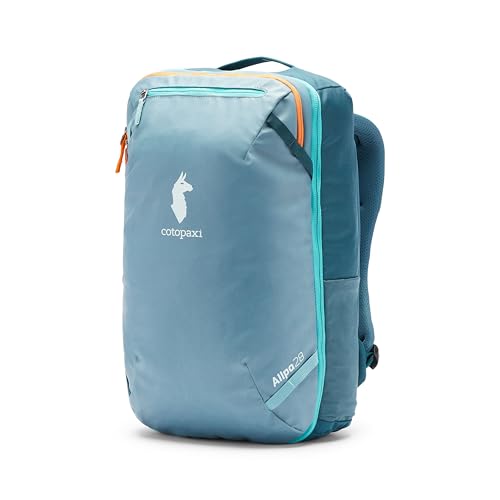
The hardest thing about a long trip may be rebuilding the same luggage setup again and again. A bag that packs neatly for departure can become irritating after the tenth change of accommodation. For repeated moves, prioritize a design you can use consistently even when the contents are less orderly than they were at home.
Longer travel does not automatically require a larger bag
Duration is only one influence on the load. Laundry access, climate changes, work equipment and specialist activities can matter more. Start by identifying the items that must remain with you throughout the trip and the ones you can reasonably handle another way.
Do not select a large backpack simply to avoid making packing decisions. The extra space can become an invitation to carry things that are rarely used. Equally, a very small bag that requires constant rearrangement may impose more work than you want. Choose a manageable middle ground based on your routine.
Repacking is an everyday design test
An interior should have stable homes for the objects you use most and flexible space for the things that change. A clothing compartment that only works with perfectly compressed cubes may become frustrating when laundry is packed differently. A separate essentials pouch can preserve order while the rest of the load varies.
Imagine arriving late and needing only tomorrow's clothes and the charger. Then imagine leaving early without spreading everything across the room. The bag's opening and organization should make those ordinary moments straightforward. Maximum capacity contributes little if access is always inconvenient.
Inspect how the backpack behaves when partly full. You may wear extra layers one day, remove a work kit another or leave belongings at a temporary base. The bag should remain manageable across those states rather than only while completely packed.
Investigate support before a component fails
A published repair route is more useful than a vague promise of lifetime quality. Osprey's All Mighty Guarantee page describes a repair process and what happens when an item cannot be repaired. For any brand, read the relevant terms and understand how you would contact support.
Service availability does not mean an instant repair wherever you happen to be. Consider the practical steps: identifying the model, describing damage, shipping if required and managing without the bag. Keep purchase and model information accessible, and avoid assuming a policy applies identically to every product category.
Accessories should earn their ongoing place
A removable daypack, laptop sleeve or packing organizer can be valuable. It also becomes another possession you must keep track of at every move. Choose accessories that solve repeated problems rather than collecting matching pieces because they complete a brand's travel system.
Look for ordinary compatibility where possible. A pouch that fits several bags or an organizer that can move to a different setup gives you options. A highly specific attachment may be worthwhile, but only if its benefit exceeds the extra dependency it creates.
Prioritize a routine you can sustain
Rehearse packing, carrying and partially unpacking with the proposed setup. Pay attention to the steps you find tedious. Those are likely to matter more over a long trip than an appealing feature you rarely touch.
Select the backpack whose tradeoffs you are willing to live with repeatedly. The purchase is not just enough space for departure; it is a working arrangement for every move that follows.