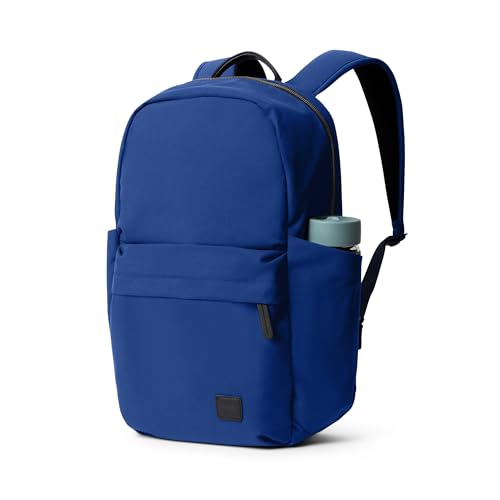
Minimalism can describe the outside of a backpack, the inside or the way you pack it. Those are different purchases. A sleek exterior can hide a complicated organizer, while a plain fabric bag can demand several additional pouches. Before shopping, decide which kind of simplicity you want to live with.
A quiet exterior
If you want a bag that moves comfortably between work and leisure settings, the visual design may be the main attraction. Examine how it looks with a normal load, not just when the product photograph is carefully shaped. A clean outline can disappear when every outer pocket is stuffed.
Do not confuse fewer visible features with fewer useful features. A discreet handle or pocket may still serve a clear purpose. Conversely, an exterior that conceals every opening can make frequent access annoying. Choose the balance that fits your actual use.
An uncomplicated interior
A broad compartment gives you freedom to pack irregular objects and change systems over time. The cost is that loose small items need somewhere to go. If you already own pouches you like, that can be an advantage; you are buying space rather than another fixed organization scheme.
A divided interior can also simplify travel when it mirrors your routine. Patagonia documents a large main compartment and separate technology storage on the Mini MLC. The relevant question is whether that arrangement removes decisions for you or duplicates a system you already prefer.
Fewer possessions rather than fewer pockets
Start with the contents you used on your last trip. Separate occasional extras from things that solved real problems. You do not have to discard every precaution, but it helps to know which items earn their weight and which travel merely because there is room.
Then select the bag. Buying a very small backpack first can turn packing into a contest rather than an improvement. The aim is an easy-to-manage load that still meets your needs, not a number of liters chosen to prove a point.
Where stripped-down becomes inconvenient
A missing laptop compartment is welcome if you never carry a computer. It is less helpful if you must add a bulky protective sleeve every day. A lack of exterior storage may suit a destination-only packing routine but make it harder to reach a jacket during transit.
Write down any accessories required to make the bag work. Their cost, weight and packing space belong in the comparison. A minimalist backpack should be judged as part of its complete setup, not as an empty object on a scale.
Choose one source of simplicity
You might choose a restrained exterior while keeping organized internal pockets, or choose a simple open compartment while accepting visible compression straps. There is no requirement to minimize every part of the bag at once.
Use the catalog to find designs that simplify your most annoying travel task. Compare how each one opens, empties and repacks. Once the arrangement makes sense, check the exact Amazon model and resist adding accessories solely because they match the bag. A deliberate setup is allowed to remain unfinished-looking if it works.