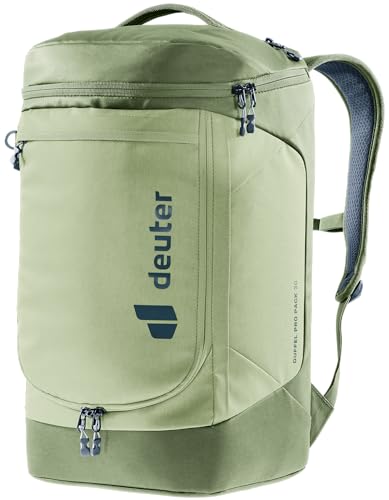
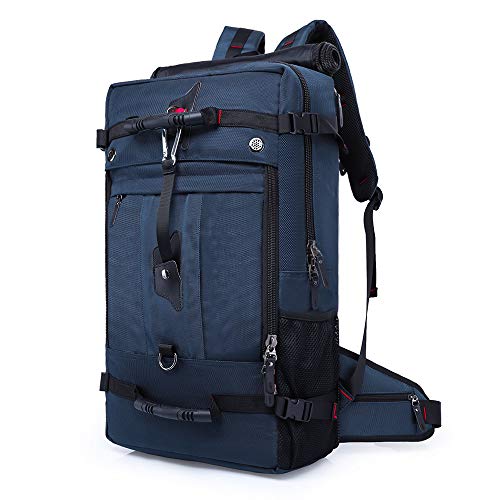
A duffel offers a straightforward promise: a large opening into a flexible space. A travel backpack puts more emphasis on carrying that space on your back. The difference matters less during a short vehicle transfer and more when the bag stays with you through a long walk or several transport changes.
A cavity versus a carrying system
A simple duffel can accommodate irregular belongings with fewer interior divisions. It may suit clothing, shoes or equipment that does not benefit from many dedicated pockets. The lack of organization is flexible, but it can also mean searching through the entire load for one small object.
A travel backpack commonly adds shoulder straps, a back panel and sometimes a frame or hipbelt. These features can make the loaded bag easier to wear, though the result depends on fit and construction. A pair of straps attached to a duffel does not automatically create the same carrying experience as a purpose-designed backpack.
How much of the journey is on foot?
If your bag moves mainly between a car and a room, grab handles and a broad opening may be the most useful features. If you will walk regularly with the full load, compare strap comfort, load stability and the ease of putting the bag on and taking it off.
A single shoulder strap may feel acceptable with a light load and less convenient with heavier contents. Do not choose by empty weight alone. Try a realistic load and the carry mode you actually expect to use, especially if the trip includes stairs or crowded transfers.
If carrying luggage on your back is not comfortable for you, neither a backpack nor a duffel with backpack straps may be the right answer. A wheeled option can be worth considering based on the route.
Protect the items the open space does not protect
A broad duffel cavity may need separate containment for toiletries and small objects, plus suitable protection for electronics. Include those cases when comparing overall weight and usable space. A bag that looks lighter before the necessary inserts are added may not remain so afterward.
With either style, prevent dense objects from sliding around and keep dirty shoes away from clean garments. External pockets can make transit essentials easier to reach, but filling them can change the bag's outside dimensions and balance.
Convertible designs: inspect the details
A convertible bag may provide both handles and backpack straps. Check whether unused straps stow neatly, whether the back-facing surface remains comfortable and whether changing carry modes is straightforward with the bag full. Look at how the opening works in each orientation.
Think about the compromise you want it to solve. Occasional backpack carry during a short transfer is different from wearing the bag for most of a travel day. Avoid treating versatility as a benefit without deciding which modes you will use.
Choose the duffel for accessible, flexible packing when the carrying demands suit it. Choose the backpack when its fitted support and layout better serve the loaded journey. In both cases, check the actual model's dimensions against your transport arrangements rather than relying on a travel-oriented product name.