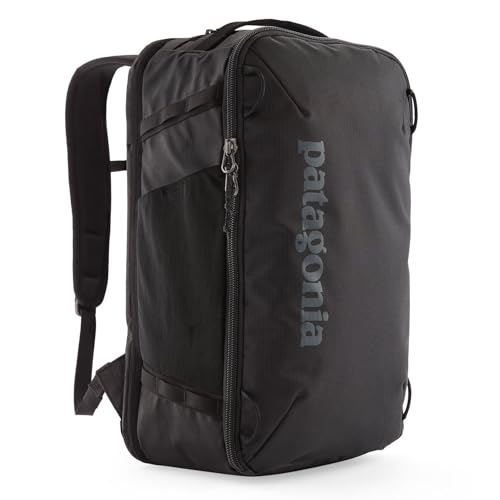
A solid product removes one bottle from the packing problem, but it can introduce another question: where does the damp bar go after use? Evaluate the product and its storage together. A compact toiletry kit needs a routine that works on departure morning as well as in the product photograph.
Replace a product only if the replacement suits you
Solid versions of some toiletries may offer a useful alternative to a liquid, but their performance and suitability depend on the formula and your preferences. Try a proposed replacement at home before making it the only option on a long trip. A smaller kit is not helpful if it leaves you wanting a different product immediately.
Keep specialized or prescribed products under the instructions that apply to them. Do not change an essential routine solely to simplify baggage. You can use a mixture of solid and liquid items; there is no requirement to make the whole kit fit one format.
The container is part of the volume
Compare the packed product with its case, not the bare bar against a full bottle. A bulky hard case can reduce the apparent space advantage, while a poorly suited soft enclosure can make handling messy. Look at the opening, closure and the maker's intended drying or ventilation arrangement.
Check compatibility and cleaning instructions for both product and container. A case described as leak resistant is not necessarily designed to let its contents dry while closed. Likewise, a ventilated holder may need separate containment during transport to keep moisture away from other belongings.
Avoid treating a soap case as appropriate storage for every solid formula. Different products can soften, crumble or require particular conditions. Follow their instructions rather than relying on the generic shape.
Plan the final shower before checkout
If you use a bar just before leaving, it may not be dry when it needs to enter the backpack. Allow drying time when practical and arrange appropriate temporary containment when it is not. Remove it again when you have a suitable opportunity instead of leaving the kit closed for the rest of the trip.
Keep this damp-item group away from electronics and clothing. A bathroom organizer should be easy to lift out and inspect without emptying the main pack. The convenience of a solid format can disappear if every repack involves cleaning residue from several unrelated items.
Security classifications still need a current check
Do not assume that every product described as solid is treated identically at every checkpoint. Mixed formulas, pastes and other formats can have different classifications. When flying, consult the relevant security authority's current guidance for the actual item and route.
A toiletry pouch marketed for flights does not determine whether its contents comply. Keep packaging or identification where useful, especially for an unfamiliar product, and leave enough time to understand the rules before departure.
Use a small trial to decide
Pack the proposed kit for an ordinary overnight away or simulate its bathroom routine at home. Check what happens after use, during drying and when it is time to close the bag. This is a practical trial you can perform, not a claim that all solid products reduce weight or waste.
Keep the substitutions that simplify your own travel and retain liquid versions where they work better. The best result may be just one removed bottle and a more manageable kit, rather than a complete change in how you care for yourself.