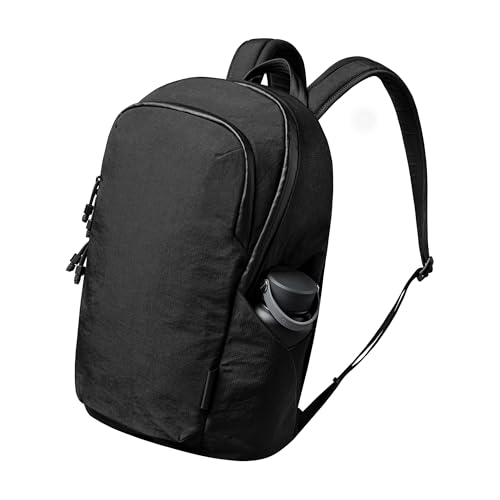
One-bag travel is a way to reduce the number of things you manage, not a test you pass by leaving enough belongings at home. It is useful when the smaller load makes transfers and daily decisions easier. It is a poor bargain if the result is discomfort or missing equipment that matters to your trip.
Where having less luggage helps
Frequent accommodation changes make every piece of luggage noticeable. A backpack can leave your hands available on stairs and simplify short walks between transport and a room. When you can keep the permitted bag with you, you also have easier access to its contents during a change of plans.
These benefits depend on the route and on your ability to carry the load comfortably. A bag that feels fine during a short fitting can become inconvenient during a longer transfer. Fill a candidate backpack with a realistic load and try a normal walk before assuming that wearing luggage is easier than rolling it.
The equipment-led traveler
A photographer with several lenses, a traveler carrying specialized personal supplies and someone attending formal work events face different constraints from a person taking a casual weekend break. Start with the essential equipment rather than a target bag count. If it leaves too little room for ordinary travel needs, a second piece may be sensible.
The same principle applies to sharing a bag. It can reduce the number of items a couple manages, but it also concentrates the weight and ties access to one person. Two modestly loaded bags may be more convenient than one very full backpack, depending on the travelers.
A second bag can have a specific job
A small day bag carried inside the main backpack can be useful at a destination, although it adds its own weight and volume. A separate personal item may keep valuables reachable on the journey, but its allowance and size depend on the ticket and carrier. Do not assume that the phrase one-bag travel provides an exemption from baggage rules.
If you choose a second bag, name its job. A laptop bag, a small daily-use pack or a bag for a required activity is easier to plan around than an undefined overflow tote. Overflow tends to grow because it has no clear boundary.
Try a modest version first
Use an upcoming short trip to test the approach with a backpack you already own if it is suitable. Note what you used, what you wished you had and which items were awkward to reach. Separate a problem with the packing arrangement from a problem with the backpack itself.
Afterward, decide whether you need a different size, better support, a more convenient opening or simply fewer duplicates. Buying the most elaborate travel backpack before doing this can lock you into a design that solves somebody else's problem.
A successful result may still be a backpack plus a wheeled case. The useful measure is whether your luggage supports the journey with a manageable load and appropriate access. There is no reason to force an otherwise well-planned trip into a single compartment for the sake of the label.