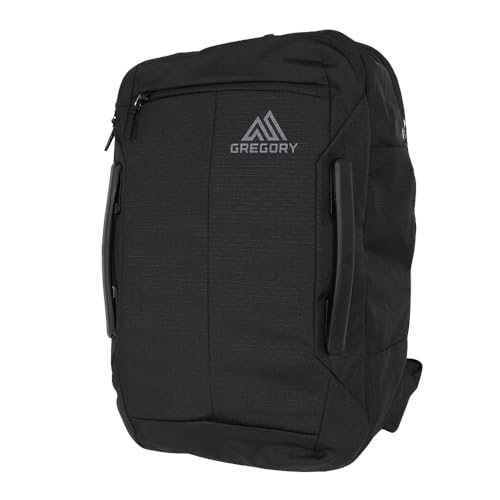
Choose the exterior dimensions first and the capacity second. Liters describe volume; airline cabin rules generally use outside measurements and sometimes weight. A 40-liter label is therefore neither automatic permission to carry a backpack on nor proof that it is too large.
Let the equipment establish the minimum
Lay out the objects that genuinely need to travel. A laptop, camera, necessary footwear and bulky layers can establish a minimum load that differs sharply between travelers. Trip length alone cannot tell you how large the bag should be.
Clothing is often more flexible because washing and reuse can reduce duplication. If work requires a particular computer, however, its size is a real constraint. Build around the least flexible objects rather than choosing a large liter number and filling the remaining space out of habit.
Equal capacity does not mean equal fit
Two containers can hold the same volume while being shaped differently. Backpacks add padding, rounded corners and compartment walls to that basic geometry. One 35-liter design may be tall and narrow; another may be shorter with substantial depth.
The stated capacity may also include several small compartments rather than a single useful cavity. A laptop sleeve and organizer can contribute to the total while leaving less room for one bulky clothing cube. Look at the arrangement of space as well as its advertised sum.
Where 40 liters fits into the decision
Some 40-liter travel bags are designed around common overhead-cabin allowances. Check the exact model dimensions and your itinerary before relying on that design intention. External pockets or expansion can make the loaded bag larger than its nominal body.
Do not transfer an overhead compatibility claim to the personal-item category. Those categories solve different problems. If the backpack must stay under the seat, its height and rigidity may disqualify it regardless of whether you leave some interior space empty.
Why 55 liters requires another question
Find out whether a larger advertised capacity includes a detachable daypack, a tall extension or an expandable compartment. A combined travel system can quote a figure that does not describe the main bag by itself.
Detaching a smaller pack may change the dimensions, but it also changes the number of pieces you carry. Both pieces still need to fit the categories included in your reservation. An attachment system does not create an extra baggage allowance.
Avoid packing to an exact maximum
A load that fits only after careful compression leaves little tolerance for an imperfect repack. Removing a liquid pouch at security can disturb the arrangement; laundry and return-trip purchases can change it again. A small practical margin makes the bag easier to live with.
Compare candidates using exterior dimensions, empty weight, main-cavity layout and the measurements of your essential objects. Then try the same load in the bag you already own. You may discover that better organization matters more than a larger capacity.
The right number of liters is the one that supports your actual packing plan inside the limits you face. Bigger is useful only when the extra space remains permitted and comfortable to carry.