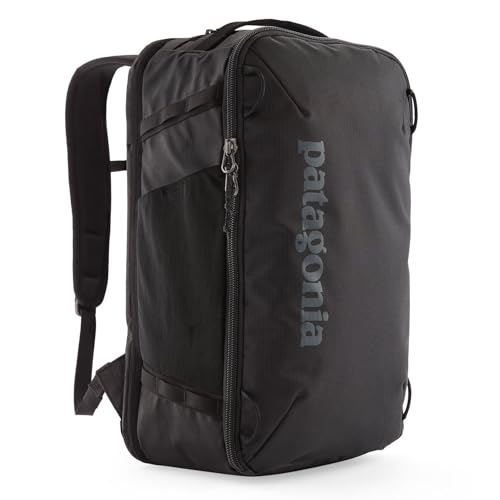
Buy a travel backpack in person when you need to compare how bags carry, check a laptop fit or work out whether an opening suits your packing style. A store visit is most useful when you arrive with your actual requirements. An empty display bag can feel comfortable and look spacious without answering any of those questions.
Choose the store by the help you need
An outdoor equipment shop is a useful starting point when torso adjustment, a supportive hip belt or carrying weight is the main concern. A luggage specialist may have a better selection of suitcase-style openings, wheeled alternatives and travel accessories. A department store can help you compare everyday and occasional-travel bags in one visit. Selection varies by branch; none of these store types guarantees that a particular model is available.
Before traveling to a shop, check its own stock page or contact the branch with the full model name, capacity and version. Ask whether display bags can be loaded for a fitting and whether staff can explain the harness. A brand name alone is insufficient when a family includes several sizes or generations.
Bring a short packing brief
Write down the strictest baggage allowance on your itinerary, the computer dimensions and the things you normally carry. Bring the laptop or an accurate cardboard outline if that is practical. A screen-size label does not describe the whole device, and a compartment that closes around it may still make extraction awkward.
Your brief should also name the difficult part of the journey: a long station walk, repeated stairs, a small hotel room or working between connections. Those situations determine which features deserve attention. A large number of pockets is less meaningful than being able to reach the one item you need.
- List the packed dimensions you must stay within.
- Record your typical total load, including the bag.
- Identify the three items you retrieve most often.
- Set a spending ceiling before comparing premium features.
Try the bag loaded and use the openings
REI's fitting guidance emphasizes torso length and hip circumference when assessing fit. Its daypack guide also recommends adding weight before evaluating how a bag feels. Ask for a representative load and adjust the harness before deciding. A travel pack with a hip belt should be assessed as a complete carrying system.
Walk around the permitted store area, turn, reach for a pocket and take the bag off. Then put it on again. Try the top and side handles. Open the main compartment on a bench and see whether the layout requires more space than you expect to have while traveling. These are checks you perform during the visit, not evidence that the bag has been tested over a full trip.
Leave with measurements and terms, even if you do not buy
Record the exact model and size that fitted you, plus its published empty weight. Compare your own packed measurement with the airline's dimensions later; a display label saying carry-on is not a booking-specific decision.
Read the retailer's current return conditions before paying, particularly if you intend to complete a careful indoor packing trial at home. Ask about packaging, tags and the condition required for a return. If the stock is wrong or the loaded fit remains uncomfortable, leave the visit with a clearer specification. That is a useful result and makes the next comparison more focused.