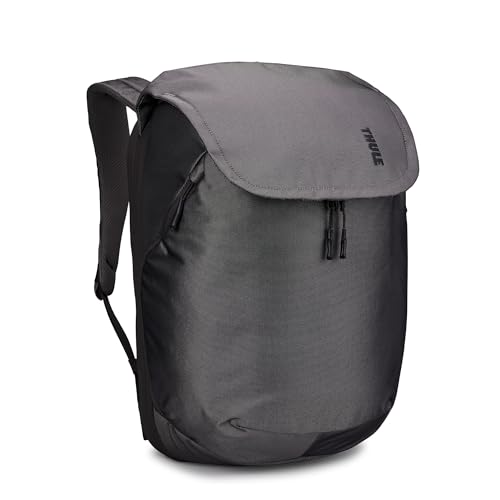
Packing cubes are worth considering when they solve a handling problem: clothes spreading through the bag, small items disappearing or repeated unpacking becoming a nuisance. They are less compelling when your load is already simple and the extra containers make it harder to fit. Separate organization from space savings before deciding.
What are you paying and carrying them for?
An organizer can turn a group of garments into something you lift out in one movement. That can help when changing accommodation often or sharing a room without much storage. It can also keep the rest of the bag intact while you remove only the clothes you need.
The benefit is less obvious for a light overnight load with very few pieces. If you already know where everything is and unpack once on arrival, an extra cube may merely add a zipper. Begin with the specific frustration you want to fix rather than assuming organized-looking luggage is inherently better.
The volume question has two sides
A regular cube contains clothes, which can make them easier to arrange. It also has its own fabric, zipper and corners. Depending on the bag's shape, a cube can either improve the layout or leave gaps that loose clothing would have filled. There is no reliable universal percentage of space that ordinary packing cubes save.
Compression versions use a different mechanism to reduce the packed shape, but their value still depends on the clothing and cavity. Denser bundles can become less flexible. Neither kind makes the clothing lighter, and every organizer adds some weight of its own.
Before buying a set, use an existing soft pouch or simply group the clothes you want to contain. Estimate the space needed and check whether the proposed cube footprint matches the bag. Do not infer fit from the sum of two advertised liter values.
A useful comparison you can make at home
Pack the same trip load with and without the organizers available to you. Keep the garments and other contents unchanged. Compare how easily the bag closes, how quickly you can find a specific item and how much rearranging is required after removing it. This is a suggested personal trial, not a test result claimed by this site.
Also weigh the difference if you are working within a strict allowance. Include all the cubes you actually plan to carry, rather than the weight of the smallest one. If the set adds little practical convenience, a single organizer for small essentials may be enough.
Buy for the part that works
Choose cubes when a removable clothing group makes your journey easier. Skip or reduce them when a simple load packs better without them, or when their outlines fight the bag's taper. You can use one cube alongside loose garments instead of choosing between an all-cube system and no organization at all.
Look at zipper access, empty dimensions, material and care instructions before purchasing. A low price for many pieces is not automatically good value if only one piece fits your backpack. The useful number is the number of containers you can give a clear, repeatable job.