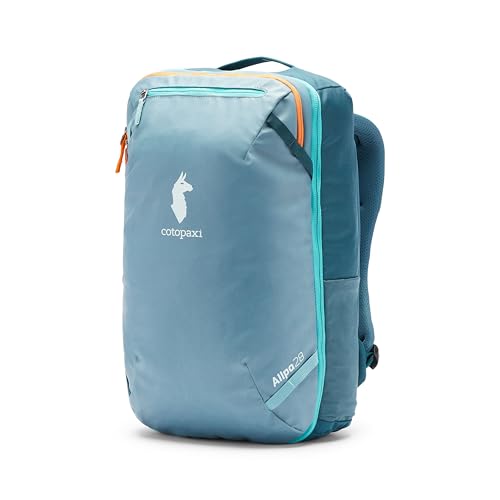
For a Japan itinerary with frequent hotel changes, the backpack has two different jobs: carrying everything between stops and carrying a much smaller kit once you arrive. Decide whether one bag can do both comfortably. Buying around a vague idea of travel in Japan is less useful than looking at the actual stations, stays and day trips on your route.
Map a full transfer day
Picture leaving accommodation, reaching the station, finding the train and putting the bag away. Then repeat the process at the other end. The more often you will do this, the more valuable straightforward handling becomes. Handles, a tidy exterior and an opening that keeps belongings contained deserve attention.
Do not assume that every transfer will involve long stairs or that every stay has limited storage. Check your actual arrangements where possible. The point of using an itinerary is to replace those broad assumptions with the places where a smaller or more supportive bag would make a concrete difference.
Use the rail operator's luggage guidance
JR Central's luggage information distinguishes ordinary baggage from oversized pieces and explains where each should be placed. Some oversized baggage requires a reservation for the relevant space. Consult that current guidance for the trains you intend to use instead of treating a travel-backpack label as proof that no planning is needed.
The packed external dimensions are what matter for that check. Include the bag's actual shape with pockets filled and any companion pack attached. A capacity number in liters cannot, by itself, settle a rule expressed through external measurements.
Keep valuables and the items needed during the ride accessible before stowing the main bag. That is more convenient than repeatedly removing luggage to reach something buried at the bottom. A small removable pouch can help when the main backpack is placed away from your immediate seat area.
Choose your destination configuration
If the main backpack will accompany you all day, assess it with most clothing removed. Does it become manageable, or remain a large rigid shell? A compressible or expandable design may help, but only if the smaller configuration suits the daily load.
A separate small backpack can be more pleasant for sightseeing and short outings. It also adds another object during transfers. Compare an independent daypack, a detachable system and using the main bag alone against the way you actually plan to spend the days.
Leave room for the trip to change
Reserve space intentionally if you expect purchases. Filling the bag to its limit on departure can make the return awkward. Expansion may provide flexibility, but you still need to check the final packed size against your return flight and transport requirements.
Think about access at your accommodation, too. If you prefer unpacking completely, a simple clothing compartment may work well. If you will move again quickly, a layout that lets you remove one category at a time can reduce repeated packing work.
Buy around your route
For a walking-heavy itinerary, investigate carrying fit before choosing by appearance. For longer stays with occasional transfers, focus more on destination use and convenient access. The country does not require one particular brand or capacity.
Use the product pages to compare those roles, then check the exact Amazon option. Your shortlist should be explainable through your itinerary: this bag is easier to handle on our transfer days, or this one works better after we unpack.