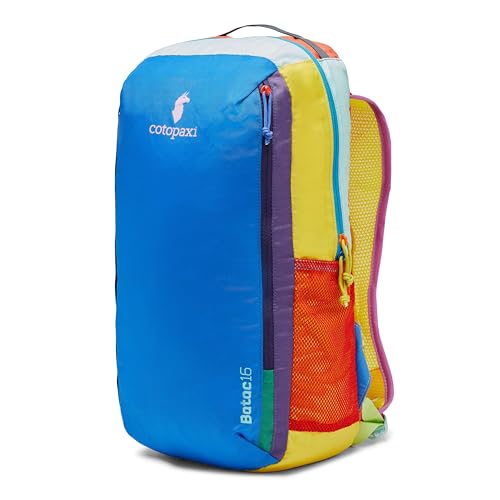
A child’s backpack should make the journey easier for the family, not become another full-size bag an adult ends up carrying. First establish the allowance attached to the child’s booking. Then choose a manageable load within it.
A booked seat and a lap infant are different cases
Do not assume every young traveler receives an identical baggage allowance. easyJet’s published guidance gives children over two and infants with booked seats the same cabin allowance as adults, while describing a separate changing-bag arrangement for lap infants.
Ryanair’s infant guidance uses a different arrangement. Those differences are why a family packing list needs the actual carrier’s policy, including the child’s age and whether a seat was purchased. A children’s product label does not settle the entitlement.
Choose a role the child can manage
A small backpack holding a comfort item, activity and light spare clothing may be more useful than one filled with the maximum possible load. Consider whether the child can put it on, take it off and open its main pocket without help.
Try it for a short walk with the expected contents. Notice whether the straps slide, the bottom hits awkwardly or the child immediately asks an adult to carry it. Airline compliance does not establish carrying comfort, and a larger bag can encourage unnecessary packing.
Keep essential care items accessible to adults
Do not rely on a child’s bag for the only supply of something an adult must reach quickly. Medication, documents and essential care items need an arrangement appropriate to the family’s circumstances and the relevant travel rules.
A child may place the backpack somewhere unexpected or fall asleep before an item is needed. Keep the most important supplies under adult control, and use the child’s bag for belongings whose location is less critical.
Reduce loose objects during boarding
Small toys and pouches can multiply rapidly. Choose activities that return to one pocket and avoid dangling accessories that catch on seats or fall off unnoticed. Label the bag in a way that helps identify it without unnecessarily displaying sensitive personal details.
Practice a simple routine: close the bag before walking, keep one activity out at a time and put it back before leaving the seat. This is easier with a clear interior than with many compartments the child cannot remember.
Plan for the moment the adult carries everything
Ask whether the child’s backpack can fit inside a larger permitted bag when it is empty or partly emptied. If it will ride on another piece of luggage, test that arrangement. Do not assume there will be a free hand available during a connection.
Before buying, compare the backpack’s own weight, strap adjustment and opening style alongside its exterior dimensions. A simple, appropriately sized design can outlast a trip-specific novelty feature.
Review the family’s complete baggage count before departure. An exception for a changing bag or child safety equipment should be applied exactly as the airline describes, not extended to every additional children’s backpack.