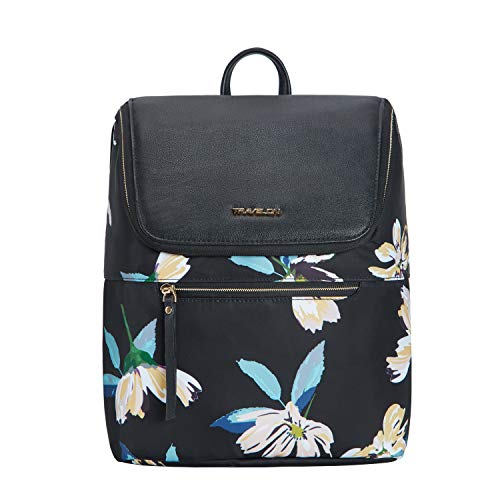
Anti-theft is a description of features, not a guarantee about the outcome of a trip. A zipper clip and a reinforced strap address different opportunities for theft. Before paying for either, decide what you want the feature to make harder: opening a pocket unnoticed, cutting a strap or taking the whole bag when it is briefly set down.
Match the deterrent to the situation
Pacsafe's technology guide distinguishes zipper security, reinforced materials and attachment systems. Those distinctions are more useful than treating its products as one security grade. The exact components included on a particular backpack matter; do not assume every model contains every technology described on a brand's website.
For everyday sightseeing, keeping the pockets you use closed and understandable may be more valuable than having numerous locks you rarely engage. If you regularly set a bag beside you, investigate how a documented attachment feature works and what it can attach to. It still does not justify leaving valuables unattended.
Inspect the whole access path
A secured main zipper may leave an external pocket easy to open. That pocket can be perfectly useful for a map or tissues, but it changes where you should put a passport. Study the bag as a set of storage locations rather than a single protected container.
Also consider how you will retrieve things yourself. A clasp that requires several steps may be acceptable for deep storage but frustrating on the pocket you open repeatedly. The right balance is a system you will consistently use, not the most complicated mechanism on paper.
Do not let RFID dominate the decision
RFID-blocking material is a separate feature from resistance to physical theft. It does not stop someone opening an unsecured pocket or taking the backpack. A listing that emphasizes an RFID pocket should still explain the construction and closures of the rest of the bag.
Decide where your travel documents and cards will actually go. A small protected pocket that cannot hold the items you intend to place in it does not meet the need. Avoid buying around a frightening scenario when the more ordinary issue is an accessible wallet or an unattended bag.
Comfort and capacity remain selection criteria
Security hardware can affect weight, opening speed and packing flexibility. A bag that is awkward to carry may encourage you to set it down more often, defeating your own preferred routine. Try the proposed load and make sure the bag is still convenient when every relevant closure is engaged.
Look for manufacturer explanations of how the components operate. Instructions and clear photographs give you something to evaluate. Words such as secure or protected, without an explanation, do not establish the function of a zipper, fabric or attachment point.
Choose an honest level of protection
Compare two exact models by the features they include, then decide which tradeoffs are acceptable for your travel habits. Use the product pages to distinguish documented hardware from broad seller language. When you check the Amazon offer, confirm that the model and size match those details.
A practical anti-theft backpack makes sensible habits easier to follow. It should never become a reason to stop paying attention to where the bag is, which compartment holds your valuables or whether its closures are actually in use.