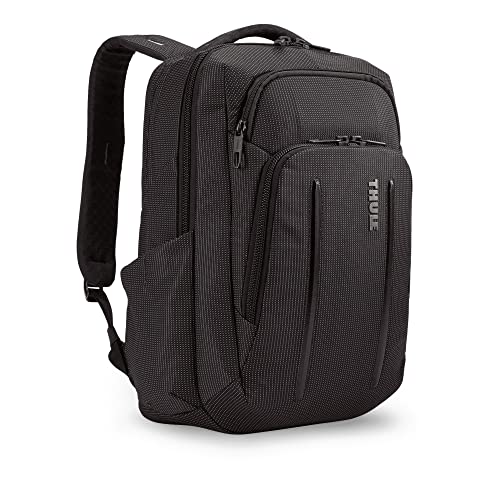
A camera changes the packing order. Lenses and a body need deliberate placement before a jacket or lunch fills the remaining space. The Thule EnRoute Camera DSLR backpack is a candidate for travelers whose photography equipment drives that arrangement.
Build around the camera you actually carry
List the body with its usual lens attached, any additional lenses, batteries and charging equipment. Then inspect the selected backpack's camera layout against those shapes. The word DSLR does not guarantee that every long lens, gripped body or accessory combination will fit comfortably.
Leave enough room to remove equipment without forcing it past neighboring pieces. Protective separation is useful only if the arrangement remains practical during the day. A lens that technically fits but requires unpacking everything else may be an awkward choice for a trip involving frequent changes between wide and long focal lengths.
Remember the non-camera part of the journey
A photography outing still needs water, a layer, documents and possibly a computer. Decide where those belongings will go after the camera area is allocated. Avoid placing a bottle where a leak could reach sensitive equipment, and keep loose keys or hard accessories from rubbing against lenses.
Compare the exact EnRoute Camera version and included components before buying. Thule has used EnRoute across multiple backpack designs, and a standard laptop EnRoute is a different product. For this DSLR listing, prioritize verified camera fit and access over a generic capacity comparison. It makes most sense when it replaces improvised camera padding inside an ordinary daypack and provides a layout you can maintain throughout a full day of shooting.