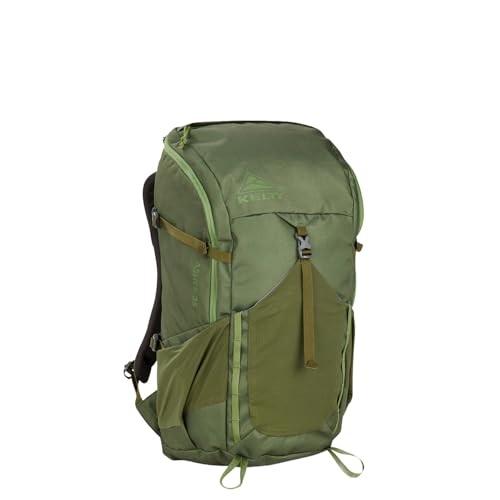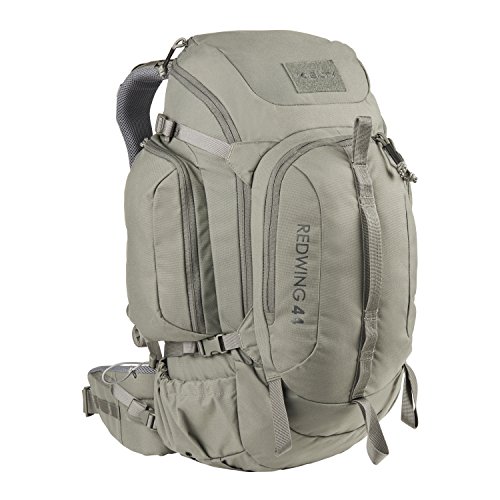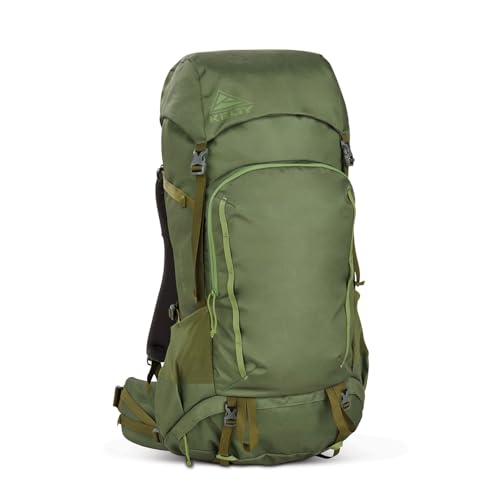
The Asher 55 changes more than the amount you can pack. Kelty gives this size a FIT-Pro torso adjustment system, a perimeter frame and zippered access to a sleeping-bag compartment, making overnight equipment a natural starting point.
Set up the carry before organizing pockets
Use the manufacturer’s torso range and adjustment instructions to establish whether the harness suits you. The system is there to tailor the pack to the wearer, but the result still needs a loaded trial. Bring the substantial items from your own kit so the assessment reflects how the bag will be used.
Kelty documents load lifters and an AMP-Flow back panel alongside the frame. Consider those components together rather than assigning a comfort promise to any single one. A correctly organized load and an appropriate torso setting are part of the same practical decision.
Put overnight equipment where you need it
The separate sleeping-bag access is especially relevant when you reach camp and want that part of the kit without emptying everything above it. A large front zippered pocket and lid pocket can give smaller categories a place of their own. Decide what stays packed until evening and what you will reach for on the route.
There are also dual mesh side pockets, side compression and a right-side mesh hipbelt pocket. Match those positions to your habits: the item you expect to retrieve while moving needs a different home from a spare layer or food bag. Avoid making pocket count the goal in itself.
When the larger Asher earns its space
The manufacturer states 55 liters for this model. That is worth considering when your own sleep system, clothing and food create a clear need for the larger format. If you are taking only daytime equipment from a fixed base, the Asher 35 can be the more relevant comparison. Keep airline transport planning separate from the outdoor capacity decision.