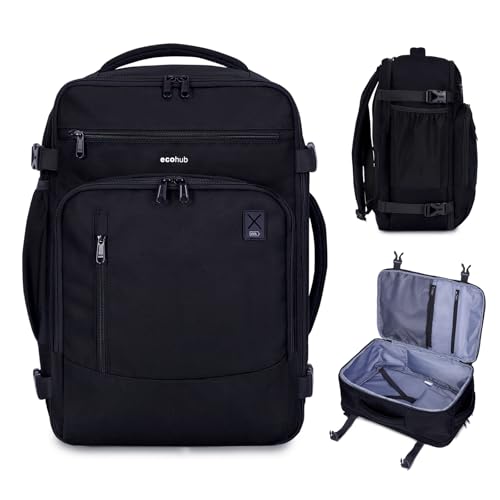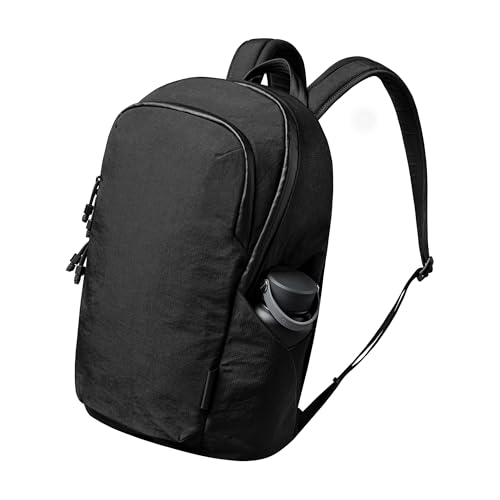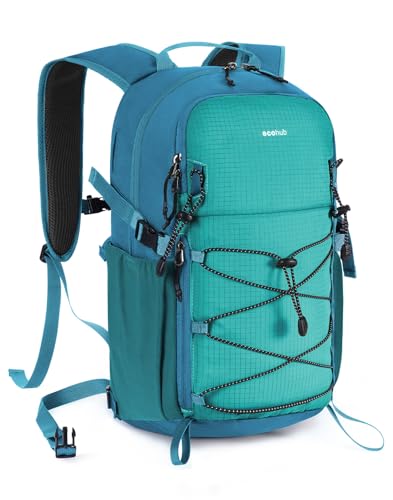
Once the main luggage is unpacked, a day outside asks for a different set of belongings. The ECOHUB 20L hiking daypack is worth considering when you want to carry that smaller set without taking the entire travel wardrobe with you.
Begin with the outing, then choose the load
A short city walk, a cycling day and a countryside outing can require different contents even when they use the same bag. Write down the water, layers, food and other equipment the plan needs. The 20L label is a useful boundary, but it cannot determine whether a particular route's kit is complete.
Put the less flexible objects in first. A rigid food container and a full bottle do not compress like a spare shirt, and their shape can determine whether the remaining space is genuinely useful. Keep frequently used items reachable rather than distributing them among every available pocket.
A daypack is not automatically a technical carrying system
The product is described for hiking, cycling and travel. Inspect its actual straps, back panel and attachment points against the load you intend to carry. Do not assume a frame, reservoir system or equipment holder merely because those activities appear in the name.
The water-resistant wording also leaves the limits of weather protection unspecified. Protect moisture-sensitive belongings for the conditions you expect and examine the closures as well as the outer fabric. This is particularly relevant when electronics share space with wet outdoor clothing.
Where this ECOHUB belongs
Compare it with other destination daypacks, including the bag you already use locally. If your typical travel day still requires a large laptop and a substantial clothing load, ECOHUB's 28L laptop or 34L travel models answer a different question. Choose the 20L when reducing the day load is intentional and its carrying arrangement suits that reduced kit.